
Table of Contents
Svedka has decided to revamp an old marketing concept following its acquisition by Sazerac last year, as part of the brand’s efforts to reintroduce itself to modern consumers. Back in the mid-2000s, the vodka maker gained recognition by positioning itself as the “No. 1 vodka of 2033,” incorporating futuristic elements and featuring a sleek Fembot mascot in its marketing initiatives.
Recently, Svedka has brought back this concept, now rebranding itself as the “No. 1 vodka of 2055,” bringing back a familiar brand asset and focusing on promoting human connections.
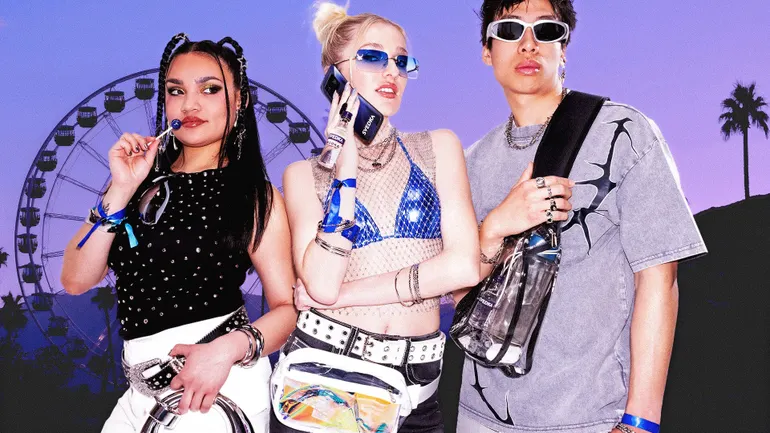
This 2055 campaign is an extension of a previous initiative from last August, where Svedka offered to cover consumers’ bar tabs if they agreed to keep their phones away and engage in real-life social interactions. The campaign also marked the return of Fembot after a 12-year absence. Svedka also made its debut in the Super Bowl earlier this year with a commercial created using artificial intelligence, centered around the iconic robotic character. Recently, the brand launched a Y2K-inspired flip phone that limits communication to calls and texts, coinciding with the music festival season.
These efforts align with Sazerac’s goal of expanding its spirit portfolio. In April, the company acquired a minority stake in 818 Tequila, the brand co-founded by Kendall Jenner. Marketing Dive had the opportunity to speak with David Binder, the Senior Brand Director for Svedka at Sazerac, to discuss the brand’s strategy and insights gained from their first Super Bowl appearance.
Interview excerpts have been edited for clarity and brevity.
MARKETING DIVE: How would you characterize Svedka’s current marketing strategy, and how does it differ from past approaches?
DAVID BINDER: Looking back at our past initiatives is crucial in understanding the evolution of our current marketing strategy. Svedka was initially launched with a clear purpose and experienced rapid growth, notably leveraging the iconic Fembot brand asset.
Nostalgia plays a significant role in various aspects of today’s society, including marketing. By reintroducing Fembot last August, we aimed to use technology to emphasize a simple message: the best moments occur when you’re fully present with those around you.
Reflecting on the introduction of Fembot in 2005, the concept of a dancing robot in the future seemed distant. Fast forward to 2026, where humanoid robots are a common sight. How does Fembot fit into this modern reality?
When Fembot was initially unveiled, the futuristic theme was more of a whimsical idea – envisioning flying cars and dancing robots. However, the current landscape reflects a society where technology, particularly AI, is ubiquitous and evolving rapidly. This shift in perception has influenced Fembot’s role, resonating with consumers, especially younger demographics, who seek comfort in nostalgia.
While retaining its retro-futuristic charm, Fembot now embodies a message of hope for the future, emphasizing the importance of human connection amidst technological advancements.
Let’s delve into the Super Bowl campaign, specifically the AI-generated ad that sparked mixed reactions. How did this concept come to fruition?
Integrating AI into our marketing endeavors, including the recreation of Fembot, was a natural progression for a brand that positions itself as the No. 1 vodka of 2055. Despite the skepticism surrounding AI applications, the use of technology aligns with our brand’s futuristic narrative. It’s essential to clarify that AI serves as a tool, complementing human creativity rather than replacing it. The Super Bowl ad was a collaborative effort led by a diverse team of creative individuals.
What insights did you gain from this experience?
The AI-driven campaign sparked discussions and debates, fulfilling its objective of generating buzz in a competitive advertising landscape. Ultimately, the campaign yielded a notable increase in sales during the Super Bowl season, indicating its effectiveness in capturing consumer attention.
The trend towards nostalgia and simplicity transcends generational boundaries, resonating with both Gen Z and older millennials. By tapping into this desire for a simpler era, brands like Svedka and Heineken aim to connect with consumers on a deeper level, evoking sentiments of a bygone era. The revival of assets reminiscent of the Y2K era is a deliberate strategy to evoke nostalgia and engage audiences effectively.