
Gen Z and Gen Alpha Shaping the Future of Convenience Stores
According to Jason Zelinski, vice president for retail-North America at NielsenIQ, Gen Z, Americans between the ages of 13 to 29, are estimated to represent $6 trillion in convenience store spending over their lifetime. These young shoppers are drawn to convenience stores to purchase products not readily available at home, such as energy drinks, protein bars, and candy, which are not typically stocked during planned grocery shopping trips.
Zelinski also highlighted the future impact of Gen Alpha, children aged 1 to 13, who are expected to have a similar influence to Gen Z once they start earning an income. Marketers need to pay attention to Gen Alpha as they already have clear preferences when entering a convenience store.
A panel discussion moderated by Zelinski focused on how Gen Z and Gen Alpha will influence convenience stores in the coming years. Doug Yawberry, president and CEO of Weigel’s, emphasized that these younger generations are decisive in their product selections and expect convenience stores to carry what they want.
One key takeaway from the session was the importance of variety in convenience stores. Crystal Maggelet, CEO of FJ Management Inc., highlighted the need to constantly provide new and trending products to meet consumer demands.

Real-time category management is critical for both retailers and brands seeking to succeed in the convenience channel.
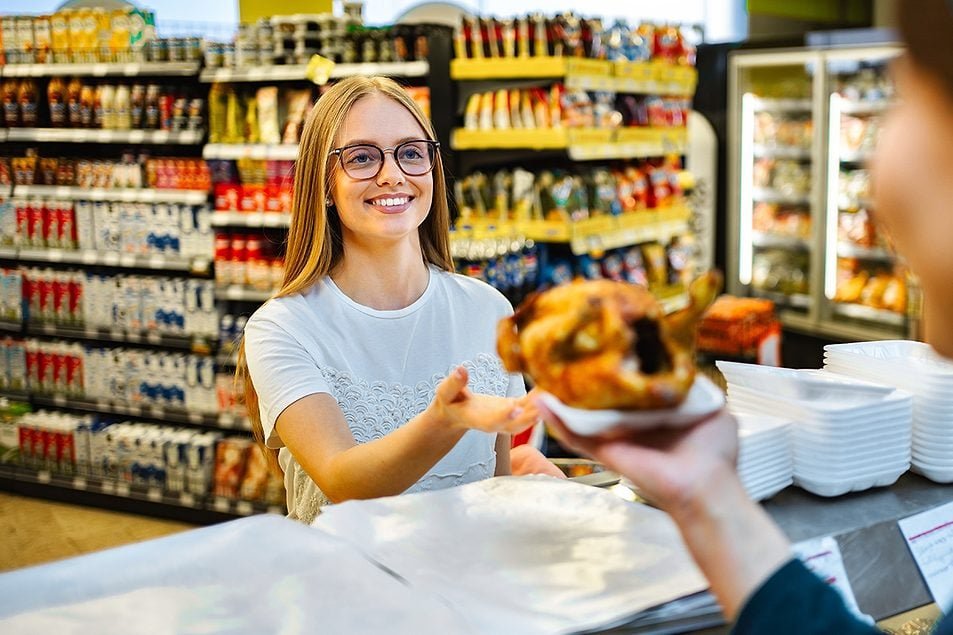
| Photo: ©MURDOCKSIMAGES – STOCK.ADOBE.COMFoodservice presents a significant growth opportunity for convenience stores, with menus now offering a wide range of options beyond traditional fare. Frank Gleeson, president and CEO of the National Association of Convenience Stores, predicts that younger generations will drive this growth as they seek variety and innovation in their food choices.
As we head into 2027, Suzy Badaracco, president of Culinary Tides Inc., highlighted key trends shaping buying decisions, including convenience, emotional reward, exploration, value, and wellness. Younger consumers continue to explore new flavors and cuisines, presenting opportunities for innovation in the food and beverage industry.
Popular flavor profiles in the convenience channel include citrus, chili peppers, and global seasonings. Badaracco emphasized the importance of introducing new flavors through sauces as a low-risk approach to innovation.
“Innovation should focus on making discovery approachable,” she concluded.