
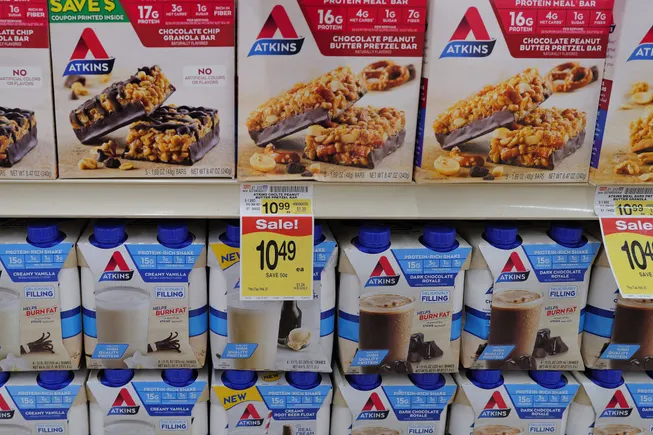
Consumers are showing an insatiable appetite for protein, but a potential shortage may hamper companies’ ability to meet demand.
Once viewed as a mere byproduct of cheese production, whey protein concentrate has emerged as a highly sought-after ingredient as food and beverage manufacturers seek to capitalize on the rising popularity of protein-fortified products. The unprecedented demand has resulted in shortages, with some suppliers reporting being sold out for the rest of the year, according to the USDA.
The scarcity of supply is driving up prices. Prices for standard whey powder have surged by over 50% since January, as per DCA Market Intelligence.
Prices are particularly high for powders with higher protein concentrations. Spot prices for whey protein concentrate containing 80% protein content have exceeded $11. Protein isolate, with over 90% protein content, remains priced in the “high $12s,” according to the USDA.
BellRing Brands, the company behind Premier Protein and Dymatize protein shakes, has witnessed whey protein prices reaching unprecedented levels, CEO Darcy Davenport disclosed during an earnings call. The tight supply is also impacting prices of non-fat dry milk, another essential ingredient in protein fortification and a key component in BellRing’s protein shakes.
Protein has emerged as a star ingredient, with 70% of Americans expressing a desire for more protein in their diets compared to 59% four years ago, according to the International Food Information Council. The rise in GLP-1 utilization has further fueled the protein trend as individuals on weight loss medications often consume less food and require more protein to bridge nutritional gaps.
Protein has permeated nearly every section of the supermarket, with protein making its way into Pop-Tarts, Kraft Mac & Cheese and Doritos. Amidst sluggish sales, food manufacturers are turning to protein as a popular strategy to reignite growth and command premium prices.
The dairy industry is racing to boost capacity, although ramping up production is no easy feat.
As dairy producers strive to expand whey protein supply, they are also increasing butterfat production, resulting in a surplus and price drop, according to CoBank, leading to market volatility. American cow milk tends to have lower protein content than in other countries, partly due to genetics.
U.S. dairy producers have unveiled plans for $11 billion in new or expanded manufacturing capacity across 19 states, as per the International Dairy Foods Association. The association anticipates a 15 billion-pound increase in U.S. milk production by 2030 to satisfy protein demand.
With escalating ingredient costs, companies are now grappling with the decision of whether to raise prices at a time when consumers are already feeling the strain of inflation. One potential solution could be for companies to reformulate using more cost-effective alternatives like soy and pea protein.
One major competitor in the protein market has announced a “significant pricing” increase, Davenport revealed, prompting BellRing to consider a similar move.
“I believe most players will need to reassess their pricing strategies,” she remarked.