
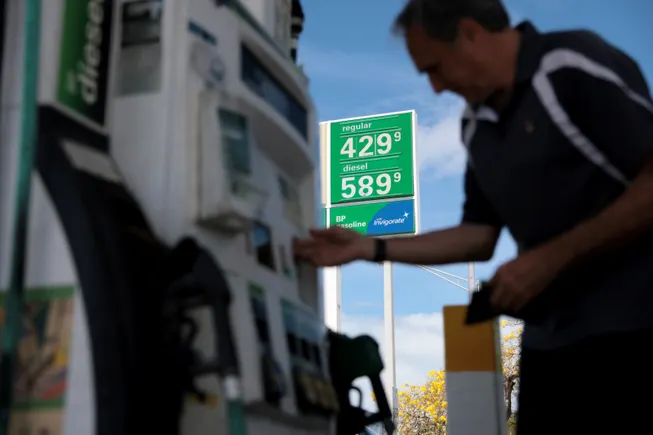
BJ’s Wholesale Club made its grand entrance into the Texas market last month, with the opening of its first location in Forney. To attract customers, the club retailer took advantage of the current spotlight on affordability by offering regular gas at their fuel station near Dallas for just $2 per gallon. This was significantly lower than the statewide average of $3.60 per gallon reported by AAA and less than half of the national average of $4.
Although this attention-grabbing promotion was short-lived, it shed light on the ongoing issue of rising gas prices that consumers are facing. The increase in gas prices, triggered by the Iran war and subsequent surge in oil prices, has had a significant impact on the cost of living. Even as oil prices fluctuate, experts predict that prices at the pump will remain high for the foreseeable future.
Major grocers like Albertsons and Kroger have been monitoring the situation closely. Albertsons CEO Susan Morris noted that while higher gas prices have caused some strain on shoppers, particularly those with lower incomes, the company has implemented strategic pricing adjustments to mitigate the impact on customers. Similarly, Kroger has introduced promotions like offering four times the normal amount of fuel points on groceries to help offset the effects of increased gas prices.
Despite the challenges posed by rising oil prices, Walmart remains optimistic about the resilience of consumers. CFO John David Rainey believes that shoppers are better equipped to handle elevated energy costs than many assume. He emphasized Walmart’s ability to manage the impact of higher fuel prices and expressed confidence in the company’s ability to adapt to changing market conditions.
While the surge in oil prices has not yet led to a significant impact on food prices, industry experts are closely monitoring the situation. FMI – The Food Industry Association has highlighted the interconnected nature of fuel and food prices, warning that as energy costs rise, so too could the cost of producing and delivering food products.
As the industry navigates these challenges, the impact of higher fuel prices on food prices remains uncertain. While grocery inflation eased in March, concerns persist about the potential for food costs to rise in the future due to ongoing conflicts and market dynamics.