
Recent surveys indicate that many brand owners and packaging converters believe that achieving a 5% to 10% reduction in packaging in the next five years is possible through innovation, legislative support, and a deep understanding of sustainability trade-offs.
This information comes from a report released by Ameripen, the Consumer Brands Association, and Consumer Technology Association, and prepared by Smithers.
While progress has been made in reducing packaging volume through industry-led efforts, concerns remain about meeting sustainability goals while ensuring packaging remains effective in protecting products.
States like California are setting ambitious targets for reducing single-use plastic packaging, further highlighting the need for continued efforts in source reduction.
The report defines source reduction as the physical reduction of packaging weight while maintaining the same functionality, distinguishing it from simply using recycled materials.
Businesses have already made strides in source reduction, with industry initiatives leading to a decrease in U.S. packaging volume despite the rise in e-commerce demands.
By the numbers
2014: 85.8 million metric tons
Packaging volume in the U.S.
2019: 88.4 million metric tons
Packaging volume in the U.S.
2024: 83.5 million metric tons
Packaging volume in the U.S., a decrease from 2019 levels despite population growth and e-commerce expansion.
2029: 82 million-89 million metric tons
Projected packaging volume in the U.S. based on population and economic growth.
The majority of progress in source reduction has come from lightweighting and changes in secondary and protective packaging.
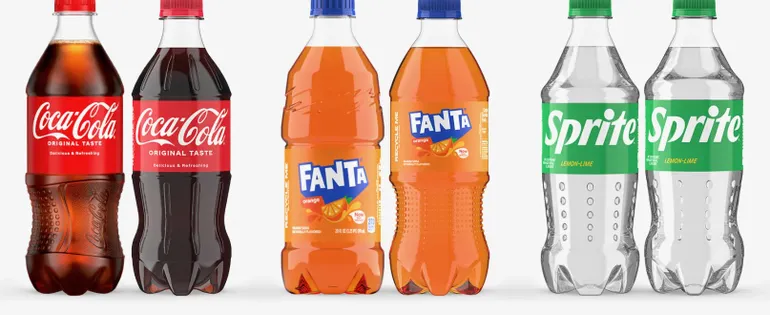
Examples of successful source reduction efforts include Coca-Cola’s plastic bottle portfolio optimization, Amazon’s shift to flexible paper mailers, and Unilever’s use of refillable packaging.
John Hewitt, from the Consumer Brands Association, emphasized the need for continued progress in source reduction without compromising product safety.
Challenges ahead
While consumer preference and regulatory policies are driving sustainability efforts, companies face trade-offs when it comes to initiatives like compostable packaging and EPR policies.
Striking a balance between recyclability and source reduction poses challenges for brands, especially when considering material choices and regulatory requirements for recycled content.
Tracking source reduction efforts is also a concern, with a significant number of respondents lacking automated systems for data capture.