
Key Points:
- Survey data released by Snipp shows that rising gas prices have significantly impacted people’s grocery-shopping patterns.
- Over a third of respondents have cut back on grocery spending, with 37% seeing an increase in their weekly grocery bill.
- Participants have reduced spending on snacks, beverages, alcohol, fresh meat, seafood, prepared foods, produce, and dairy products.
- More than half of respondents have changed their in-store shopping habits due to higher gas prices, with many consolidating trips or shopping less often.
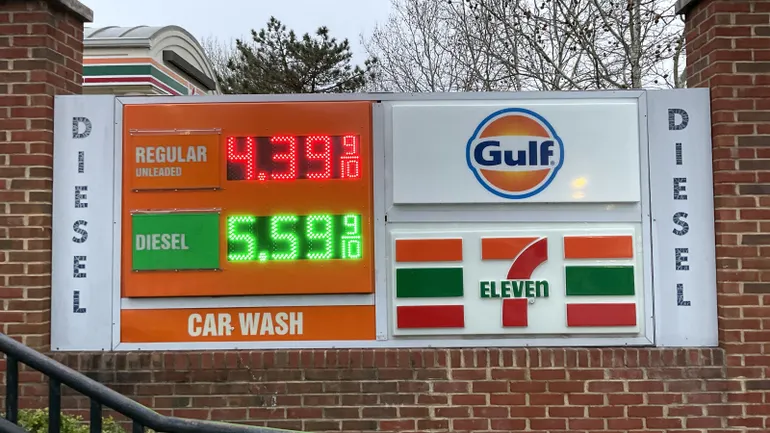
- Fuel prices have surged in recent weeks, leading to increased costs for consumers.
- Retailers like Kroger and companies like DoorDash are offering promotions and incentives to help consumers cope with rising fuel prices.
Insight:
Recent survey data from Snipp reveals that rising gas prices are reshaping the way people shop for groceries. As fuel costs continue to rise, consumers are cutting back on their grocery spending and changing their shopping habits.
With over a third of respondents reporting a decrease in grocery spending and more than half altering their in-store shopping behavior, it is clear that consumers are feeling the pinch of higher fuel prices. This shift in consumer behavior is impacting various categories, with snacks, beverages, and fresh produce seeing the biggest cuts in spending.
As fuel prices remain high, retailers like Kroger are stepping in to help consumers save on gas with promotions like four times the usual amount of fuel points. Similarly, companies like DoorDash are offering incentives to their drivers to ease the burden of rising fuel costs.
It is evident that the impact of rising gas prices on consumer behavior is significant, with people making changes to their grocery shopping patterns in response to the increased cost of fuel.