
Summary:
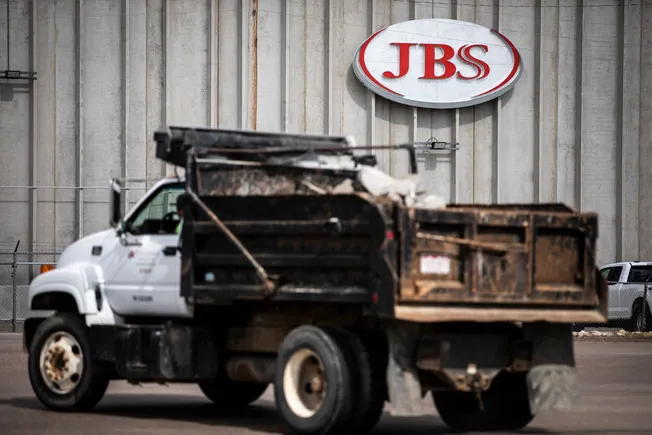
- Approximately 3,800 JBS meatpacking workers initiated a strike on Monday, affecting production at a major beef plant in the U.S. during a period of record-high prices.
- Union workers were unable to reach a satisfactory agreement with JBS regarding wage increases and the provision of necessary protective gear without charge.
- JBS defended its offer to workers, labeling it as competitive, and is diverting manufacturing operations to other facilities to mitigate disruptions.
Insight:
The strike at JBS coincides with a surge in U.S. beef prices to unprecedented levels. The Greeley plant has the capacity to process up to 6,000 cattle daily, representing about 7% of JBS’ total beef processing capacity in the country.
Kim Cordova, president of UFCW Local 7, highlighted the disparity between wages and inflation rates in Colorado, emphasizing the need for improved compensation from JBS.
Despite uncertainties about the strike’s impact on consumer beef prices, it is unlikely to further escalate costs as many beef packers are contending with excess processing capacity amid a cattle shortage.
Although JBS reported a significant increase in revenue from beef sales, gross profit declined by 50% due to elevated livestock costs.
JBS assured that operations at the Greeley plant are ongoing, with workers who choose not to participate in the strike continuing to receive payment. The company remains focused on supporting its workforce, ensuring facility sustainability, and maintaining uninterrupted service to customers and the community.
The possibility of a slowdown at the JBS plant has raised concerns among traders, with speculations about potential disruptions in cattle supplies. There are suggestions that President Donald Trump could intervene using the Defense Production Act to prevent a complete halt in meat production.