
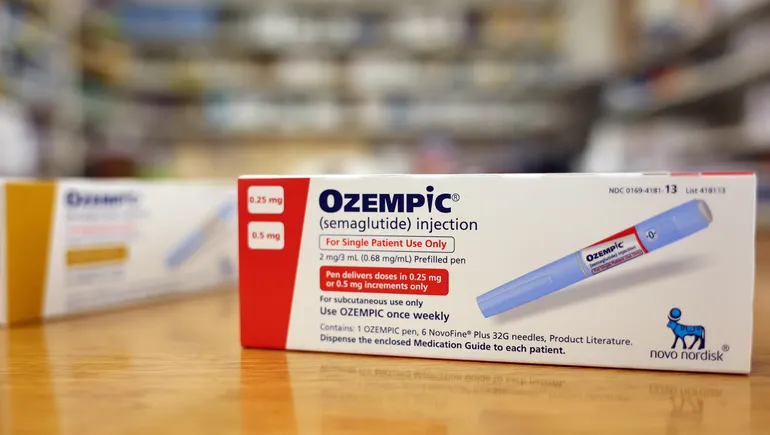
Households with users of GLP-1 medications for weight loss to represent 35% of U.S. food and beverage sales by 2030
A recent report by Circana predicts that households with users of GLP-1 medications for weight loss will make up more than a third of food and beverage sales in the next five years. This trend is expected to significantly impact consumer preferences and purchasing habits.
Currently, around 23% of U.S. households have a member using GLP-1 drugs such as Ozempic or Wegovy. By 2030, these households are projected to represent 35% of all food and beverage units sold.
Food and beverage companies are now faced with the challenge of adapting to the changing landscape influenced by GLP-1 medications. These weight loss drugs have been found to steer consumers towards healthier and more convenient choices, including those with high protein, fiber, energy, or hydration benefits.
Consumers on GLP-1 medications are more likely to avoid products high in carbohydrates and sugars, opting for healthier alternatives over traditional items like soda or chips.
Sally Lyons Wyatt, Global Executive Vice President and Chief Advisor for Circana, commented on the impact of GLP-1 medications on the Consumer Packaged Goods (CPG) industry, stating that shopper priorities are rapidly evolving.
As consumer preferences shift, several food companies, such as Conagra, Danone, and Nissin, have begun developing products tailored to meet the needs of this growing segment of consumers focused on weight loss goals.
Despite purchasing fewer groceries, GLP-1 users are willing to spend more on food and beverage products that offer added health benefits. A report by ADM revealed that 80% of consumers on these medications are willing to pay a premium for such products, with 67% considering GLP-1 friendly attributes as key factors in their purchasing decisions.
Companies are also considering how to support consumers who discontinue the use of GLP-1 medications. While some may maintain healthier eating habits post-medication, others may regain lost weight, prompting a potential restart of GLP-1 treatment.
ADM’s findings suggest that a majority of consumers would consider restarting GLP-1 medications to control food cravings. To cater to this segment, companies should focus on offering foods that enhance the feeling of fullness.
Looking ahead, Circana reports that half of previous GLP-1 users are likely to resume medication use in the future. This highlights the importance of aligning product offerings and marketing strategies with the health-conscious mindset of this growing consumer group.
Lyons Wyatt emphasized the necessity of adapting product selections and marketing efforts to resonate with the evolving preferences of health-focused shoppers.