
Dive Brief:
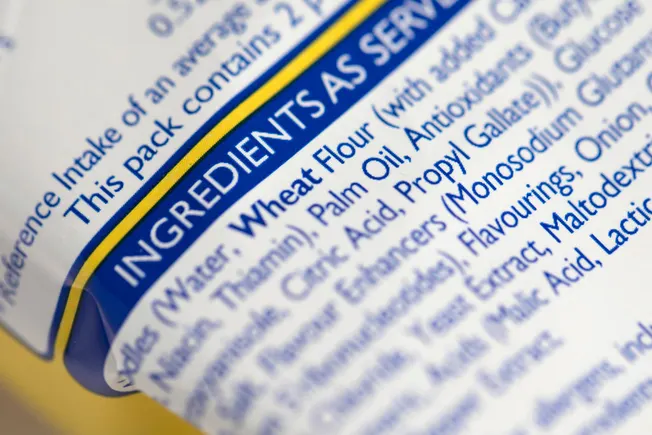
- A federal court has temporarily halted the implementation of a Texas law that would require food manufacturers to include warning labels on their packaging for products containing artificial dyes or additives.
- The court ruling, based on a lawsuit from the food and beverage industry citing First Amendment concerns, has put a pause on the enforcement of the law while the case progresses through the legal system.
- Scheduled to go into effect in 2027, the Texas law mandates disclosures for 44 ingredients, potentially impacting numerous snack brands by requiring them to carry labels indicating their products are not recommended for consumption in certain countries.
Dive Insight:
This recent court decision marks another victory for the food and beverage industry in its opposition to the “Make America Healthy Again” movement, which has seen various states introducing legislation aimed at promoting healthier eating habits.
While there is growing bipartisan support for initiatives targeting processed foods and their ingredients, the issue of regulating FDA-approved substances has proven to be complex and contentious.
Previous attempts, such as the West Virginia law banning artificial colors, have faced legal challenges due to lack of clarity on the potential harm of these ingredients despite federal approval. Similarly, the Texas law focused on labeling rather than ingredient regulation, but was met with First Amendment objections from industry groups.
The court’s decision to halt the Texas law underscores the importance of ensuring that regulations on food labeling and communication are carefully crafted to avoid infringing on free speech rights. Alternative approaches, such as public health campaigns, may be considered as less restrictive means of achieving the state’s objectives.
As the legal battle continues, it remains to be seen how states will navigate the complex landscape of food regulation while balancing public health concerns and constitutional rights.