
Table of Contents
Yoni Glickman is managing partner of FoodSparks, an agri-food seed-stage fund at venture capital firm PeakBridge. Opinions are the author’s own.
With over $8 billion invested, the era of easy money in food technology has come to an end, bringing an end to overvaluations and high-profile bankruptcies. What the industry needs now are frameworks that can differentiate between real opportunities and costly experiments.
Having been involved in more than 50 transactions in the food industry over the past 20 years, I believe that despite the challenges, the sector is now poised for some of its biggest opportunities yet.
Let’s explore the successes, failures, and lessons learned in food tech investing over the last five years to understand where we stand today and where we are headed.
The Ugly: Billions wasted on predictable failures
Starting with the failures, it’s important to acknowledge the significant losses experienced in certain areas of food tech.
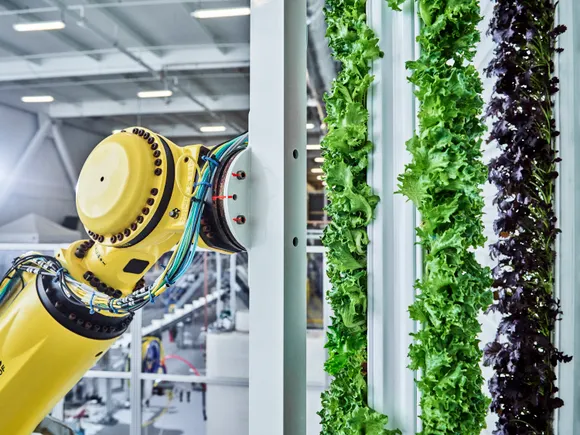
Vertical farming. The concept of vertical farming, where cash is used to replace natural processes like photosynthesis, has proven unsustainable. The model of growing water-heavy crops locally and transporting them to high-end markets has led to major bankruptcies.
Insect protein. Despite attempts to pivot towards using insects as feed rather than food, the sector faced challenges with high capital expenditures, lack of adoption, and eventual restructuring or bankruptcy. These failures were foreseeable, highlighting the importance of understanding consumer preferences.
In an era of easy money, storytelling often trumped pattern recognition, leading to costly mistakes, especially in the field of AI.
The Bad: Challenges faced by promising ideas
Some promising sectors in food tech have struggled due to hidden adoption issues, monetization problems, or incompatible timelines for venture capital.
Sugar replacement. While there is potential in developing clean label technologies to replace sugar, the challenges lie in the complexity of sugar’s role in food beyond just sweetness. The cost implications of replacing sugar with more expensive alternatives pose a barrier for many companies.
Discovery platforms. Platforms that rely on AI for discovery often face long timelines for product development and monetization through royalties, making them unsuitable for traditional venture investment models.
These technologies may have merit, but their viability as venture investments is questionable.
The Good: Areas of real value creation
Despite the challenges, there are areas in food tech that continue to show promise and deliver real value.
Data-driven solutions. Technologies that provide clear ROI through process efficiency, waste reduction, and faster product development are highly valuable. The focus should be on measurable gains rather than the underlying technology itself.
Specialty ingredients. The production of specialty ingredients remains a lucrative segment in the food industry, offering high EBITDA margins. Demand, clear labeling, taste, and cost-effectiveness are key factors driving success in this area.
Proven nutrition products. Consumers are shifting towards products that offer specific health benefits backed by science. Companies that can demonstrate robust clinical outcomes and pricing power are well-positioned for success.
Current Landscape: Challenges and opportunities
The food industry is currently facing a crisis marked by disruptions in tropical commodities, labor shortages, and rising input prices. Companies with resilient supply chains have a competitive edge in this environment.
Despite the challenges, there is significant upside potential with decent valuations and positive regulatory developments. Consumer preferences are evolving towards transparency and health-focused ingredients, creating opportunities for innovation and acquisitions.
Technological advancements in AI, robotics, and precision agriculture, driven by climate change, are reshaping the industry. Entrepreneurs who prioritize capital efficiency and strong unit economics are poised to thrive in this changing landscape.