
Key Takeaways:
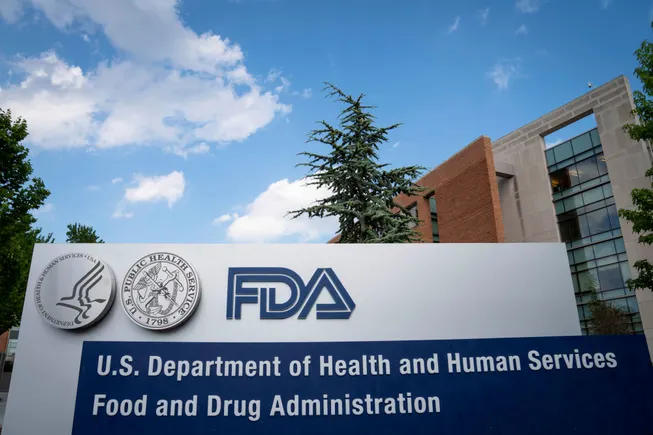
- The FDA has decided to delay approval for beetroot red as a natural food dye and the expansion of spirulina extract due to safety concerns raised by advocacy groups.
- GMO/Toxin Free USA has objected to the FDA-approved version of beetroot red, claiming it is synthetically produced and may have carcinogenic properties. Obelisk Tech Systems has also raised concerns about the safety risks associated with the expanded use of spirulina.
- Despite the delay in the effective date, the FDA maintains that both dyes are safe for their intended uses and continues to allow the use of the “no artificial colors” label as long as petroleum-based dyes are avoided.
Insights:
In response to the Trump administration’s call for the removal of artificial colors from food products, the FDA has been fast-tracking the approval of natural dye options. However, industry experts argue that important safety assessments were overlooked in the approval process, raising doubts about the true “natural” status of these dyes.
GMO/Toxin Free USA has expressed concerns about consumer transparency and safety in the approval of beetroot red, while Obelisk Tech Systems has highlighted the FDA’s failure to adequately evaluate the heavy metal risks associated with spirulina extract.
Following objections from stakeholders, the FDA has agreed to amend its approval for spirulina to address concerns about heavy metal thresholds. Similar safety issues have been raised regarding Phytolon’s beetroot red, with questions raised about the synthetic nature of the dye and the lack of long-term safety studies.
While the shift towards natural dyes is commendable, the use of synthetic alternatives raises concerns about consumer confusion and safety. Despite the FDA’s light enforcement stance, companies transitioning to natural dyes may still face legal risks from consumer lawsuits.
Experts advise caution in the use of natural dyes to avoid potential litigation risks, even though the FDA may not actively enforce regulations in this area.