
Dive Brief:
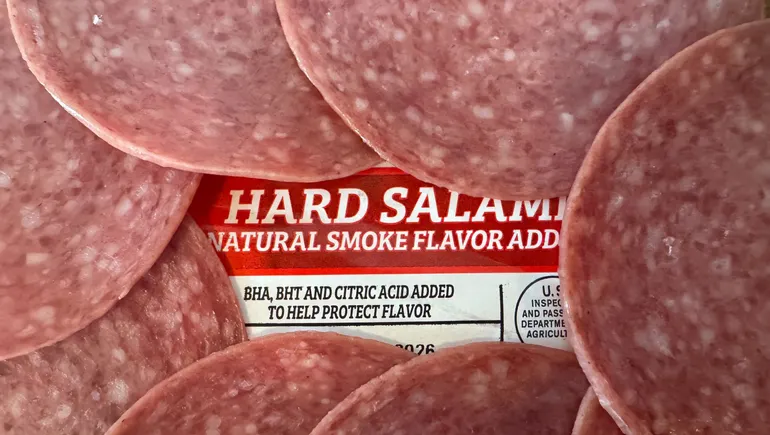
- The FDA announced on Monday that it will be conducting a review of the safety of butylated hydroxyanisole (BHA), a common food preservative used in various products such as bread, lunch meats, and snacks to maintain freshness.
- Health Secretary Robert F. Kennedy Jr. raised concerns about BHA being labeled as a potential human carcinogen by the National Toxicology Program, prompting the FDA to initiate a comprehensive re-assessment of the additive.
- This safety review is part of a larger evaluation by the FDA of food chemicals currently in use, with plans to also review other additives like ADA and BHT in response to consumer worries.
Dive Insight:
BHA serves as a preservative in a wide range of food items like cereals, frozen meals, and ice cream to prevent spoilage of fats and oils. Initially approved by the FDA in 1961 after being deemed “generally recognized as safe,” BHA has come under scrutiny for its safety profile in recent years.
Secretary Kennedy emphasized the need for stringent scientific standards in evaluating the safety of food additives, stating that if BHA fails to meet current criteria, it will be removed from the food supply. This reassessment signifies a shift towards more transparent and evidence-based food safety practices.
Despite being classified as a known carcinogen in California and a potential endocrine disrupter in the EU, studies on the link between BHA and cancer in humans remain limited. While research in rats has shown a potential for stomach tumors, a 2014 review suggested that BHA may offer health benefits at lower levels.
The FDA’s authority to ban ingredients based on animal studies, even if the risk to humans is unclear, was demonstrated with the recent ban of Red dye No.3. The agency last evaluated BHA in 1978, identifying the need for further studies to address uncertainties surrounding its safety.
Following the review of BHA, the FDA plans to re-evaluate the safety of BHT, another preservative commonly used in food products. This move aligns with the agency’s commitment to reassessing GRAS ingredients and responding to consumer concerns.
The Environmental Working Group has advocated for the removal of additives like BHA and BHT from the food supply, urging the FDA to take decisive action given the longstanding concerns surrounding these preservatives. States like West Virginia and retailers such as Kroger, Hy-Vee, and Aldi have already taken steps to restrict the use of BHA in their products.
With calls for more proactive food safety regulation, the FDA faces pressure to address longstanding petitions and prioritize the health and well-being of consumers. The evolving landscape of food additives underscores the importance of ongoing scrutiny and transparency in regulatory practices.