
Table of Contents
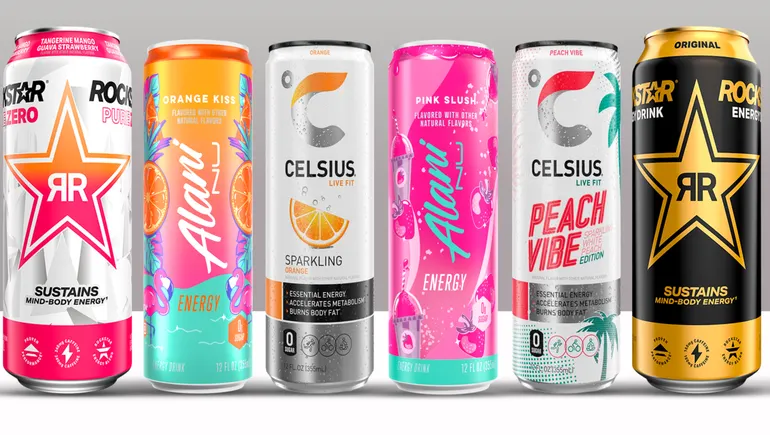
Energy drinks are projected to have another successful year in c-stores, following strong sales last year. Changes in caffeine levels and the introduction of alternative beverages within the channel are expected to impact the market.
C-store energy drink dollar sales increased by 10% for the year ending Dec. 31, 2025, reaching over $16 billion, with unit sales growing by 8%, as per Circana data.
Market share for energy drinks has reached an all-time high, rising from 1.3% of c-store sales in 2019 to 2.4% by the third quarter of 2025, according to Datassential.
Both well-known brands and newer brands contributed to the growth in unit sales across various retail outlets, including e-commerce and c-stores, as highlighted by Circana data.
According to Sally Lyons Wyatt, global executive vice president and chief advisor for consumer goods and foodservice insights at Circana, newer brands showed stronger growth trends in percentages, while established brands continued to drive the majority of category volume.
The surge in energy drink consumption can be attributed to factors such as providing the best energy boost, taste preference, self-indulgence, and affordability, according to Datassential.
Younger consumers are more inclined towards selecting energy drinks due to their enjoyment of carbonation, as mentioned in the Datassential report.
Energy Boundaries Are Blurring
Although the outlook for energy drinks remains positive, a challenge on the horizon is the merging of beverage boundaries, leading to increasing competition for established energy brands from products with functional ingredients that offer energy-like benefits, according to Lyons Wyatt.
Functional beverages like caffeinated water are gaining popularity and replacing traditional energy drinks for some consumers, with 34% citing a decrease in energy drink consumption due to this alternative, as per Datassential.
Functional flavored water is also being viewed as a healthier substitute, with 29% of consumers indicating that it replaces energy drinks in their beverage choices.
The shift in energy drink formats was evident at the NACS Show in October, with various companies showcasing innovative products such as energy drinks with clean ingredients and flavored caffeine pouches.
Focus on Flavors and Caffeine Strength
While caffeine remains crucial for energy drink manufacturers, flavor takes precedence for 75% of consumers when choosing energy drinks, according to Datassential. Other considerations include functional ingredients, can size, and sugar content.
The trend towards “clean label” products with natural ingredients is expected to continue, but not all brands will adopt this approach universally, as per Lyons Wyatt.
Personalization in Energy Drinks
Suppliers are likely to customize caffeine levels to cater to specific consumer needs and dayparts, leading to differentiation in caffeine content across energy drinks and adjacent categories, according to Circana.
The shelf-stable energy drinks category is forecasted to grow in 2026, primarily driven by energy drinks and drink mixes. Investment in social media, digital marketing, and innovation will play a crucial role in sustaining category growth.
AI-driven targeting can help brands reach the right audience with tailored messages, particularly focusing on younger and female consumers, maximizing marketing ROI. Retail media in the c-store space could further support these efforts.
If support levels decrease, category growth may slow down compared to the previous two years, as noted by Lyons Wyatt.